







 Contact Now


Please Leave Us A Message
Privacy statement: Your privacy is very important to Us. Our company promises not to disclose your personal information to any external company with out your explicit permission.
Brand: HONGJUN
Origin: FOSHAN
Certification: ISO9001
Status: New
Applicable Industry: Hotels, Building Material Shops, Manufacturing Plant, Machinery Repair Shops, Food &Amp; Beverage Factory, Farms, Restaurant, Food Shop, Printing Shops, Energy &Amp; Mining, Food &Amp; Beverage Shops, Other, Advertising Company
Out-of-warranty Service: Video Technical Support, Online Support, Spare Parts, Field Maintenance And Repair Service
Where To Provide Local Services (in Which Countries Are There Overseas Service Outlets): Turkey, Italy, France, Philippines, Saudi Arabia, Indonesia, Pakistan, Mexico, Spain, Thailand, Malaysia, Australia, Argentina, Algeria, Sri Lanka, Bangladesh
Showroom Location (in Which Countries Are There Sample Rooms Overseas): Brazil, Peru, Saudi Arabia, Russia, Thailand, South Korea, Chile, Algeria, Romania, South Africa, Kazakhstan, Kyrgyzstan, Nigeria
Video Factory Inspection: Provided
Mechanical Test Report: Provided
Marketing Type: Ordinary Product
Core Component Warranty Period: 1 Year
Core Components: Pump
Place Of Origin: China
Warranty Period: 1 Year
Productivity: 500l/Hour, 1000l/Hour, 2000l/Hour, 3000l/Hour, 200l/Hour, 5000l/Hour, 50000l/Hour, 2500l/Hour, 10000l/Hour, 750l/Hour, 20000l/Hour, 250l/Hour, 4000l/Hour, 7500l/Hour
Packaging: STANDARD
Productivity: 100
Transportation: Ocean
Place of Origin: FOSHAN
Supply Ability: 100
Certificate: ISO9001
Port: GUANGZHOU,SHENZHENG
How to Improve Effluent Quality from Your Water Purification System: A Comprehensive Guide
When the output water quality from your home or commercial water treatment unit fails to meet expected standards, it’s essential to take a systematic approach to identify and resolve the issue. This guide offers practical steps tailored for users in regions outside China, Hong Kong, Macau, and Taiwan—ensuring clarity, actionable insights, and long-term performance optimization.
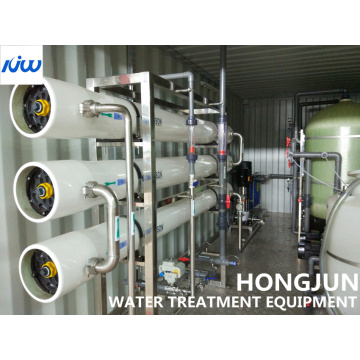
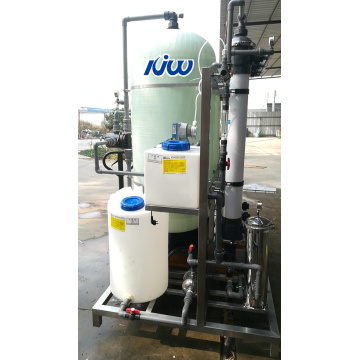
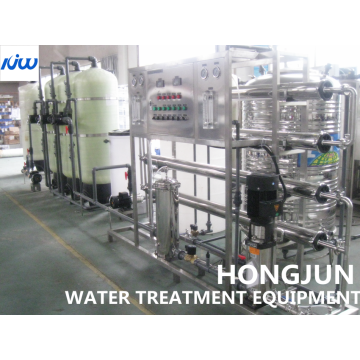
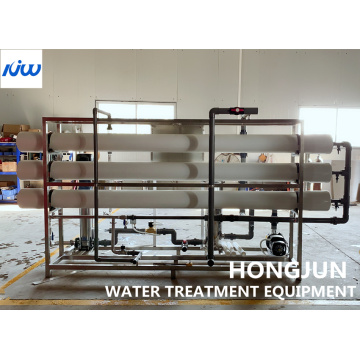
Water purification systems rely on multiple filtration stages—including sediment filters, activated carbon media, and reverse osmosis membranes—to deliver clean, safe drinking water. If you notice cloudy water, unusual taste, or inconsistent test results, begin by assessing each component of the system. Regular maintenance is key to sustaining optimal effluent quality over time.
Key Features: Multi-stage filtration technology | Easy-to-replace filter cartridges | Built-in water quality monitoring | Durable construction for daily use | Low-maintenance design
The first step involves inspecting the condition of the filter elements. Over time, pre-filters such as polypropylene (PP) cotton and activated carbon blocks can become clogged with contaminants, reducing flow rate and effectiveness. Check the manufacturer’s recommended replacement schedule and replace them promptly if they appear dirty or worn. Similarly, ensure that post-filters are free from blockages—cleaning or swapping these components often restores performance quickly.
Next, examine the source water supply. In some cases, poor-quality tap water entering the system may stem from municipal treatment inconsistencies or aging plumbing infrastructure. If neighbors experience similar issues, consider testing your incoming water independently using certified lab methods. Addressing upstream contamination can significantly improve downstream results.
Also verify that all mechanical parts—including pumps, valves, and pressure regulators—are functioning correctly. Listen for abnormal sounds like humming, clicking, or vibrations, which may indicate internal damage or airlocks. Confirm stable power input and look for signs of leakage around joints or connections. Proper operation ensures consistent pressure and flow throughout the entire purification process.
If your device includes an integrated TDS meter or conductivity sensor, validate its accuracy through calibration. These instruments provide real-time feedback but may drift due to temperature changes or sensor fouling. For reliable readings, compare with third-party lab tests periodically—especially when troubleshooting persistent problems.
For complex cases involving membrane degradation, inconsistent flow, or recurring contamination, seek professional assistance. Contact authorized service providers who specialize in residential and light commercial water systems. Their expertise in diagnosing subtle faults—such as RO membrane scaling, improper installation, or incorrect backwashing procedures—can prevent costly repairs and extend equipment lifespan.
Maintaining a detailed logbook of maintenance activities helps track trends in system behavior. Record dates of filter replacements, cleaning cycles, and any anomalies observed during routine checks. This proactive documentation supports early detection of performance decline and facilitates better communication with technical support teams.
This methodical strategy applies across various environments—from urban apartments to rural households where water hardness or microbial presence varies widely. Whether you're managing a countertop reverse osmosis unit or a whole-house filtration setup, following these guidelines increases the likelihood of restoring high-grade effluent quality efficiently.
Many users report improved satisfaction after implementing regular filter maintenance and verifying source water integrity. By combining self-checks with occasional expert evaluation, most inefficiencies can be resolved without replacing the entire system.
Frequently Asked Questions:
What causes low-quality output even after changing filters? It could be due to damaged RO membranes, inadequate pre-treatment, or fluctuating inlet pressure affecting system efficiency.
Can I trust my device’s built-in water tester? While convenient, digital meters should be cross-checked with external testing kits or professional lab analysis for accurate assessment.
How often should I replace the filter cartridges? Typically every 6–12 months depending on usage volume and local water conditions—but always refer to the user manual for model-specific recommendations.
Is it safe to continue using the unit if effluent quality drops suddenly? No—discontinue use immediately and investigate potential issues such as leaks, chemical imbalance, or bacterial growth before resuming operation.
Why does my purified water still taste odd despite proper filtration? Taste issues might originate from residual chlorine in the feed water or biofilm buildup inside pipes—not just the filter itself. Consider installing a dedicated carbon post-filter or flushing the system thoroughly.
Product Categories : Tap Water Plant Equipment > RO Reverse Osmosis System


Privacy statement: Your privacy is very important to Us. Our company promises not to disclose your personal information to any external company with out your explicit permission.
Fill in more information so that we can get in touch with you faster
Privacy statement: Your privacy is very important to Us. Our company promises not to disclose your personal information to any external company with out your explicit permission.